LEARN SOMETHING. GIVE SOMETHING. — 배워서 남주자

COMMUNITY & SERVICE

Learn together.
Give together.
Grow closer.

What we learn becomes something we can share: a skill, a meal, a welcome, a little of our time.

We want Japanese neighbors, U.S. military-connected families and young people of every background to meet, listen and serve alongside one another.

Meet our community connections
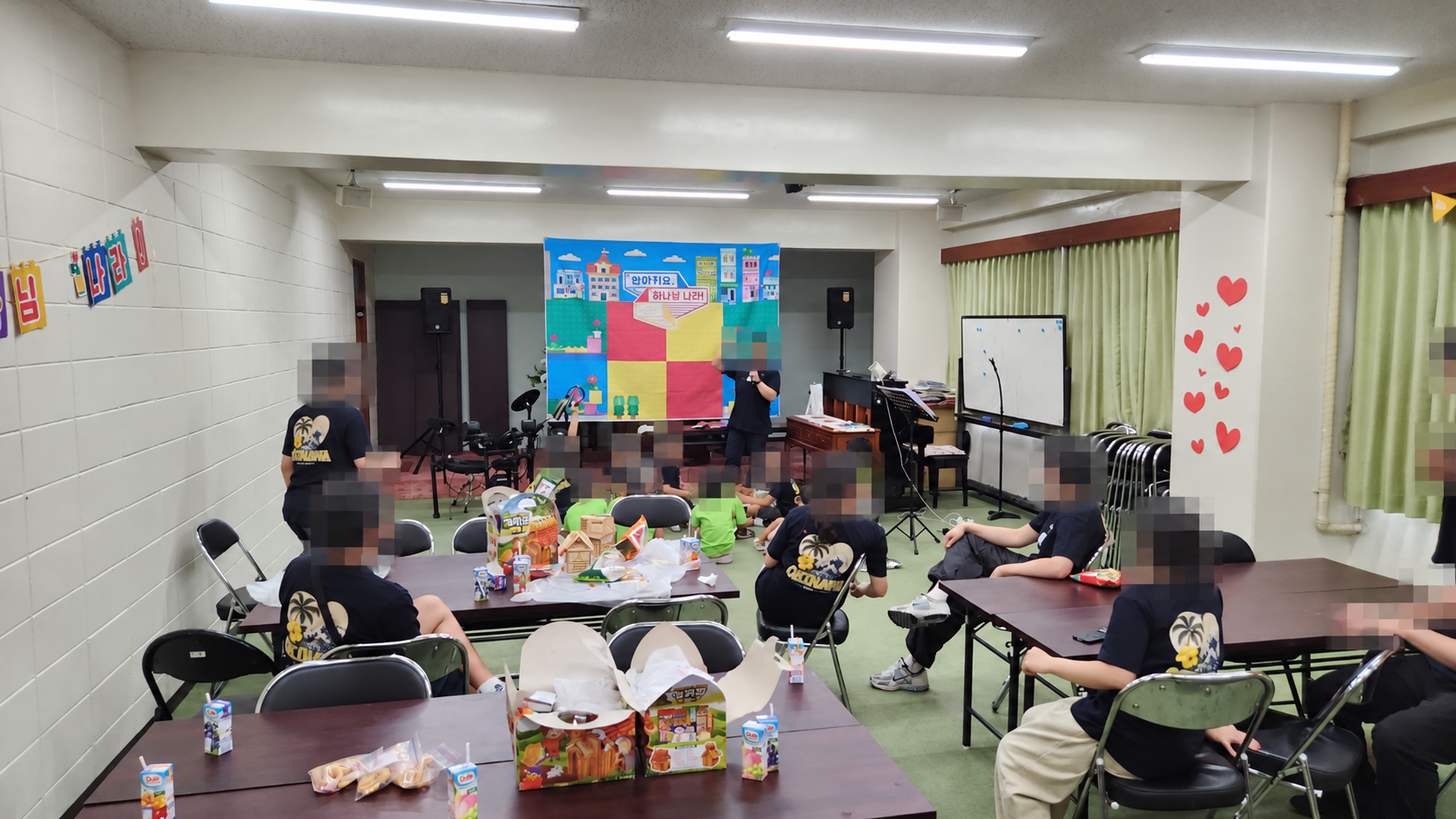
A church community gathering around shared tables in Okinawa, with faces obscured for privacy.
Okinawa church community · Family-supplied photograph, privacy edited.

It starts with
showing up.

WHY THESE CONNECTIONS MATTER

Understanding grows
person to person.

We hope everyday friendships can help ease mistrust between American and Japanese communities. A game, a shared meal or a useful task gives us a place to start—and a reason to meet again.

Our family’s Christian faith inspires this work. Young people of all backgrounds and beliefs are welcome.

TWO PLACES. A SHARED COMMITMENT.

Communities we
learn and serve with.

These are church communities connected to our family’s journey. We are building on relationships and learning how young people can be useful.

01 / HIROSHIMA

Small coins.
A shared table.

FAMILY SERVICE HISTORY

이삭줍기 · Gleaning

While living in Iwakuni, our family served with Hiroshima First Church for about a year. Together with children, we gathered spare coins from home and donated them to support local children’s meals through kodomo shokudō, a community meal initiative.

Inspired by Pastor Kim Dong-ho’s teaching on gleaning, it was a simple way to practice giving: notice what we have, gather it together, and share it.

A family service experience that helped shape ALL TO GIVE.

PEOPLE WE LEARN FROM

A life of steady care.

Missionaries Lee Sang-hoon (이상훈) and Jang Mi-sook (장미숙) have served in Hiroshima since 2003. Their ministry includes home visits and making church life more accessible to people who might otherwise be left out.

Lee’s books, including 한 영혼 and 바보 이반 교회, tell stories of family, faith and caring for people one by one. Their example reminds us that service is a commitment to people over time.

Hiroshima First Church ↗
THE PLACE MATTERS, TOO

Remembering. Listening. Healing.

Hiroshima carries the suffering of the atomic bombing on August 6, 1945, and an enduring call for peace and reconciliation.

For us, that history is a reason to listen with humility. We hope young people can learn from the past and practice understanding in the relationships they build today.

The City of Hiroshima on its message of peace ↗

02 / OKINAWA

A new place.
More ways to belong.

CONNECTIONS TAKING SHAPE

Okinawa Korean Church

As our family settles into Okinawa, we are getting to know this church community and exploring how our children can contribute to its cultural and community activities.

We want Japanese neighbors and military-connected families to become familiar faces to one another. Preparing food, learning a few words, or playing table tennis or basketball together can open that door.

Our aim is simple: join in, help where we are needed, and keep showing up.

Visit the church’s website ↗
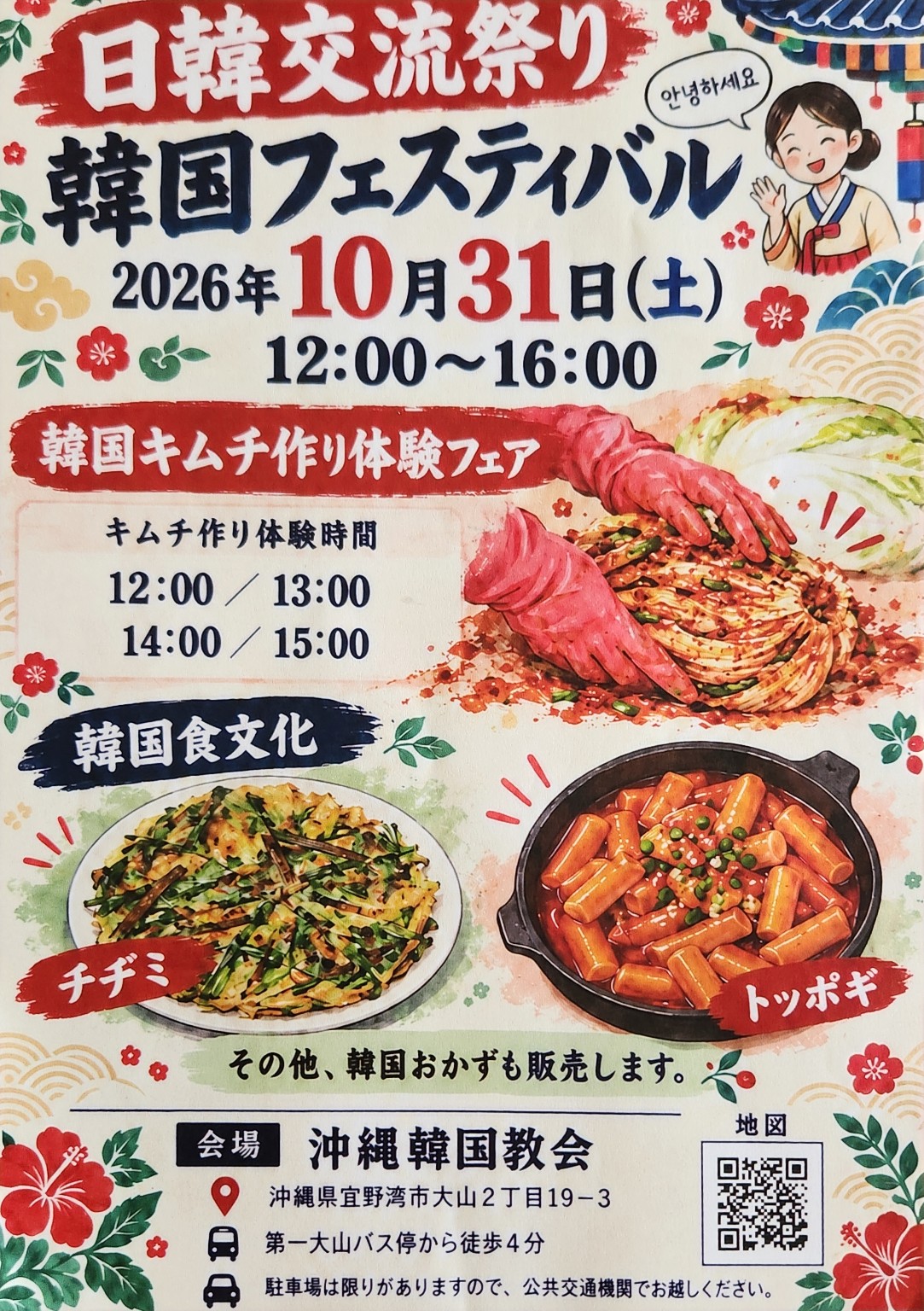
Korean cultural festival flyer: October 31, 2026, noon to 4 pm at Okinawa Korean Church, with kimchi-making sessions and Korean food.View the event flyer ↗
COMPLETED · FIRST EDITION

· SATURDAY

A little kimchi.
A shared task.
A real beginning.

On October 31, 2026, we took part in the first edition of a community kimchi event in collaboration with the Okinawa Korean Association, at Okinawa Korean Church.

Event time
12:00–16:00 Japan time
Kimchi sessions
12:00 · 13:00 · 14:00 · 15:00
Where
Okinawa Korean Church
2-19-3 Oyama, Ginowan, Okinawa

Our role: Jihyul helped at the food tables and interviewed a participant using skills learned in journalism class. We joined the community effort; this was not an event organized solely by ALL TO GIVE.

A family-documented activity: shared learning, youth service and cultural exchange.

Watch Jihyul’s 90-second story ↗First community film & association banner ↗

WHAT WE ARE WORKING TOWARD

Start small.
Come back.

A regular welcome matters more than a one-day splash.

01 / LEARN WHAT HELPS

Ask. Listen. Lend a hand.

Work with hosts to find useful, age-appropriate tasks: welcoming guests, setting up, sharing simple language activities or cleaning up.

02 / MAKE IT EASY TO JOIN

Meet through play.

Explore friendly basketball and table-tennis gatherings where beginners and newcomers can join, learn and encourage one another.

03 / BUILD A HABIT

Return, together.

Agree on a manageable rhythm with hosts and adult volunteers. Learn from each gathering and share honest updates about what actually happens.

These are next steps in development. Recurring sessions will be announced after host arrangements, supervision and safety preparations are in place.

LET’S FIND A USEFUL FIRST STEP

What could we
do together?

Are you a community host, parent or adult volunteer? Tell us what would help your neighborhood.

Talk with Eric ↗

Adult organizer · Eric Taihyun Kim
No donations or registration collected here.

About these stories & sources

Family service history and future intentions are based on Eric’s account. The September 25, 2026 church update is summarized with private correspondence and personal health details omitted. The church connections described here do not indicate a formal sister-organization agreement or endorsement of ALL TO GIVE.

The missionaries’ August 2026 newsletter and published author information informed the short Hiroshima profile. Book information: 한 영혼 · 바보 이반 교회. The family identifies Pastor Kim Dong-ho’s teaching as its inspiration; this does not imply his endorsement.

The Okinawa gathering photograph is privacy edited. It documents a church gathering, not an ALL TO GIVE-hosted event. Festival details are from the supplied host flyer.

Story reviewed: October 2026. Project status & safety.

October 31 update: the family supplied event photographs and videos and confirmed collaboration with the Okinawa Korean Association and Jihyul’s volunteer participation. The event record distinguishes this community collaboration from a formal ongoing institutional agreement.